

Introduction: Why Systematic Maintenance for Liebherr crawler crane is Non-Negotiable?
The Liebherr crawler crane represents the pinnacle of heavy lifting engineering, designed for reliability in the world’s most demanding projects. However, its legendary performance and longevity are not inherent—they are earned through disciplined, systematic maintenance. Viewing maintenance as a strategic investment rather than a cost is the fundamental principle that separates high-availability fleets from those plagued by downtime.
From a financial perspective, a proactive maintenance program directly targets and reduces the Total Cost of Ownership (TCO). The cost of a scheduled filter change or track adjustment is insignificant compared to the catastrophic expense of a failed final drive or a collapsed boom due to neglect. Furthermore, maintenance is a cornerstone of legal and ethical responsibility. Regular, documented inspections and servicing are often mandated by safety regulations and are unequivocally essential for protecting personnel on the worksite. This guide synthesizes Liebherr’s engineering expertise with field-proven best practices to provide a comprehensive framework for maintaining your crawler crane’s optimal performance throughout its service life.
The Liebher Crawler Crane Maintenance Framework: Liebherr Recommendations and Best Practices
Liebherr designs its crawler cranes with intelligent maintenance in mind. Systems like the Litronic control unit provide detailed diagnostic information, while designs like the VarioTrak adjustable undercarriage, though robust, require specific checks to maintain their advantages. A successful program hinges on understanding and executing three tiers of maintenance:
1. Daily/Weekly (Operator-Centric) Maintenance: This is the first line of defense. It includes pre-start walk-around inspections (fluid levels, leak checks, visible damage), basic cleaning to remove debris that can cause wear or fire, and lubrication of accessible points. The operator’s daily log is a critical tool here.
2. Scheduled/Interval (Technical) Maintenance: Performed at intervals based on engine hours or calendar time (e.g., every 250, 500, 1000, or 2000 hours). This involves systematic tasks like changing engine oil, fuel, hydraulic, and air filters; checking and adjusting track tension and brake clearances; and taking critical measurements like track chain pitch elongation. This work should follow the Liebherr service manual to the letter.
3. Major/Overhaul (Component-Based) Maintenance: This occurs at major milestones (e.g., 12,000+ hours) and involves partial or complete disassembly of key components like swing gearboxes, hydraulic pumps, or the entire undercarriage system. The goal is to rebuild, refurbish, or replace major assemblies before they fail, based on wear measurements and oil analysis trends.
Building Your Maintenance Calendar: The official Liebherr schedule is your baseline, but it must be adapted. A crane working in abrasive desert sand will need more frequent air filter and undercarriage inspections than one operating in a clean, urban environment. Factor in your specific working hours, environmental conditions, and load cycles to create a dynamic, effective plan.
Photos from:
https://www.liebherr.com/en-us/mobile-and-crawler-cranes/service/customer-service-4407470

Core System Maintenance for Liebherr Crawler Crane Deep Dive
1. Upper Structure Maintenance
-Engine System: Adhere strictly to oil and filter change intervals using specified grades. Monitor coolant concentration and system integrity. For Tier 4f and other advanced engines, pay close attention to Diesel Particulate Filter (DPF) regeneration cycles and AdBlue® (DEF) system maintenance.
-Hydraulic System: This is the crane’s lifeblood. Maintain hydraulic oil cleanliness as an absolute priority through regular filter changes and periodic oil analysis. Inspect hoses and fittings for abrasion and leaks. Monitor pump and motor performance through noise, temperature, and cycle time metrics.
-Hoisting and Boom Systems: Follow a strict regimen for wire rope inspection, lubrication, and replacement based on standards like ISO 4309. Regularly check sheaves and drums for wear grooves that can damage the rope. Periodically test and adjust hoist and boom hydraulic brake systems to ensure safe holding and smooth release.
2. Undercarriage Maintenance – The Key to Cost Control
The undercarriage is typically the single largest wear cost item. Managing it proactively is paramount.
-Track Chain Assembly: Regularly measure the chain pitch (typically every 500-1000 hours). Replace the chain before elongation exceeds 3% to prevent accelerated, expensive damage to the sprockets.
-Roller and Wheel System:
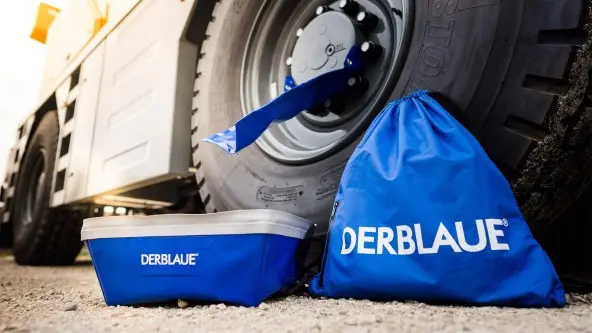
Track Rollers & Carrier Rollers: Listen for grinding noises and check for rollers that have stopped turning. Failed seals lead to rapid bearing failure and must be addressed immediately.
-Idler & Sprocket: Inspect the sprocket teeth for the development of a “hooked” profile. A hooked sprocket and an elongated chain must be replaced as a matched set; installing one without the other will render the new part useless.
-Track Tension: Maintain the correct sag as per the operator’s manual. Over-tensioning increases rolling resistance and wear; under-tensioning can lead to derailment and excessive component shock.
Photos from:
https://www.liebherr.com/en-us/mobile-and-crawler-cranes/service/customer-service-4407470
3. Structure, Electrical, and Safety Systems
-Structural Integrity: Conduct periodic visual and Non-Destructive Testing (NDT) on welds and high-stress areas of the boom, mast, and rotating platform. Cracks must be assessed and repaired by certified welders following OEM procedures.
-Electrical & Control Systems: Use the Litronic system’s diagnostics to troubleshoot issues. Protect electrical cabinets, sensors, and cable harnesses from moisture and physical damage. Ensure all position sensors (angle, length, pressure) are calibrated.
-Safety Devices: The Load Moment Indicator (LMI) is not just a gauge; it is a critical safety system. It must be tested and certified at intervals defined by local regulation and manufacturer specs. Function-test all limit switches, anti-two-block systems, wind speed indicators, and camera systems regularly.
Predictive Maintenance and Condition Monitoring For Liebherr Crawler Crane
Move beyond scheduled intervals to a condition-based approach.
- Oil Analysis: A routine oil analysis program is one of the most valuable diagnostic tools. It can reveal early signs of internal wear in engines, transmissions, and hydraulic systems by detecting microscopic metal particles, coolant contamination, or changes in oil chemistry.
- Vibration & Thermography Analysis: These non-invasive techniques can identify imbalance, misalignment, or bearing defects in rotating equipment like pumps, motors, and gearboxes long before they cause a breakdown.
- Leveraging Liebherr Technology (e.g., LiConnect): Utilize remote telematics data to monitor trends in fuel consumption, hydraulic temperatures, work cycle counts, and diagnostic fault codes. This data enables true predictive maintenance, allowing you to schedule service based on actual machine needs.
Winter and Special Condition Protocols For Liebherr Crawler Crane
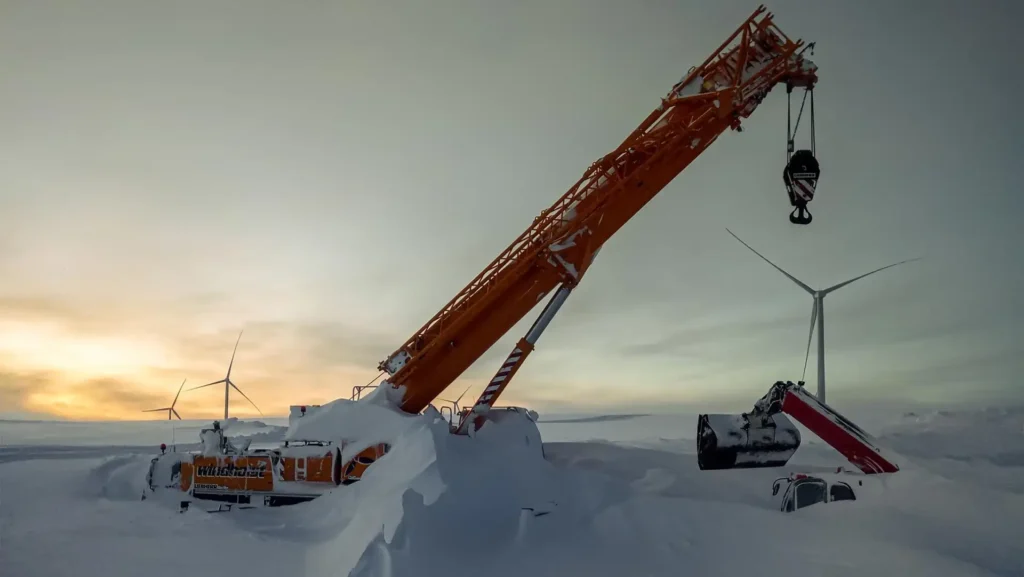
- Cold Climate Operation: Switch to winter-grade diesel to prevent waxing. Use block heaters and consider engine oil pan heaters for extreme cold. Allow the hydraulic system to warm up at low idle before applying a load. Maintain batteries at full charge.
- Dusty/Abrasive Environments: Service air filters, including primary and safety elements, much more frequently. Pay extra attention to sealing electrical connectors and regularly clean cooling packages to prevent overheating.
- Marine/High-Corrosion Environments: Implement a rigorous washing schedule to remove salt. Apply anti-corrosion sprays to exposed metal surfaces. Inspect electrical components and paint integrity more often.
Liebherr Crawler Crane Maintenance Records and Asset Value Management
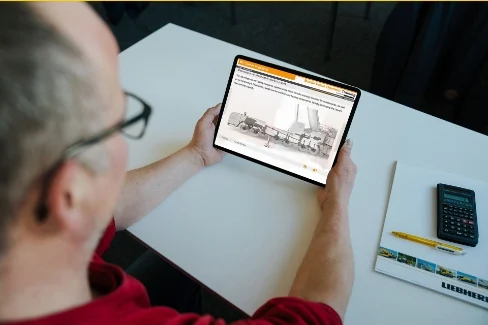
The Digital Logbook: Meticulous, digital record-keeping is essential. Every service action, fluid sample result, component measurement, and part replacement should be documented. This history is invaluable for troubleshooting recurring issues.
Records Directly Impact Resale Value: A comprehensive, professional maintenance history is the single most important document when selling a used crane. It provides tangible proof of care and directly translates into a higher residual value and faster sale.
Building Institutional Knowledge: Transform maintenance experiences into standardized work procedures (SOPs). Documenting solutions to uncommon problems creates a knowledge base that improves the entire team’s efficiency.

A world-class Liebherr crawler crane deserves world-class care. Implementing the systematic, data-driven maintenance program outlined here transforms your equipment from a potential cost center into a reliable, profitable asset. This approach fundamentally safeguards reliability, ensures jobsite safety, and maximizes your financial return on a major capital investment.
The journey begins with an honest assessment of your current practices. We encourage you to review your maintenance program today or contact our professional service team for a complimentary machine health assessment. Partnering with experts ensures you leverage the full potential of both your equipment and your maintenance strategy.